Plan with the community
Families help shape a garden that fits their available space, locally obtainable materials, growing needs, and the conditions in which it will be used.
A climate-resilient food initiative
Garden on Wheels helps displaced villagers in Bangladesh grow mobile farms—protecting access to nutritious food when climate disasters force families to move.
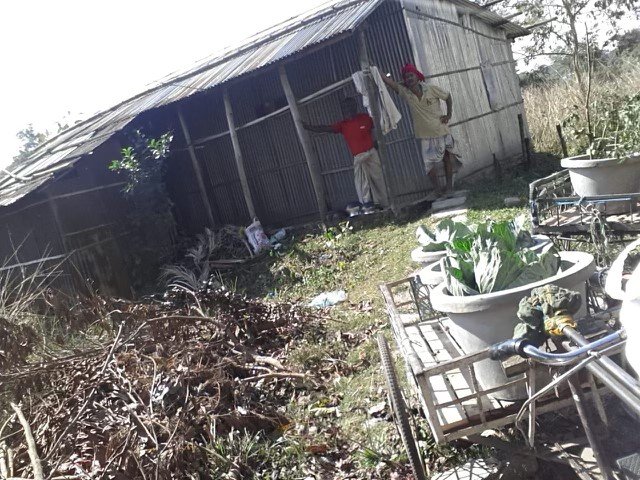
When the land can’t move, the garden can.
Why it matters
In Bangladesh, climate-related flooding can damage farmland and pollute water. Displaced communities then face greater risk from hunger, malnutrition, and preventable illness.
Garden on Wheels explores a practical response: a productive growing space villagers can tend, use, and relocate when necessary.
Learn why we started →How it works
Garden on Wheels is a developing, community-led model—not a one-size-fits-all product. The structure and crops should reflect local knowledge, resources, and environmental conditions.
Families help shape a garden that fits their available space, locally obtainable materials, growing needs, and the conditions in which it will be used.
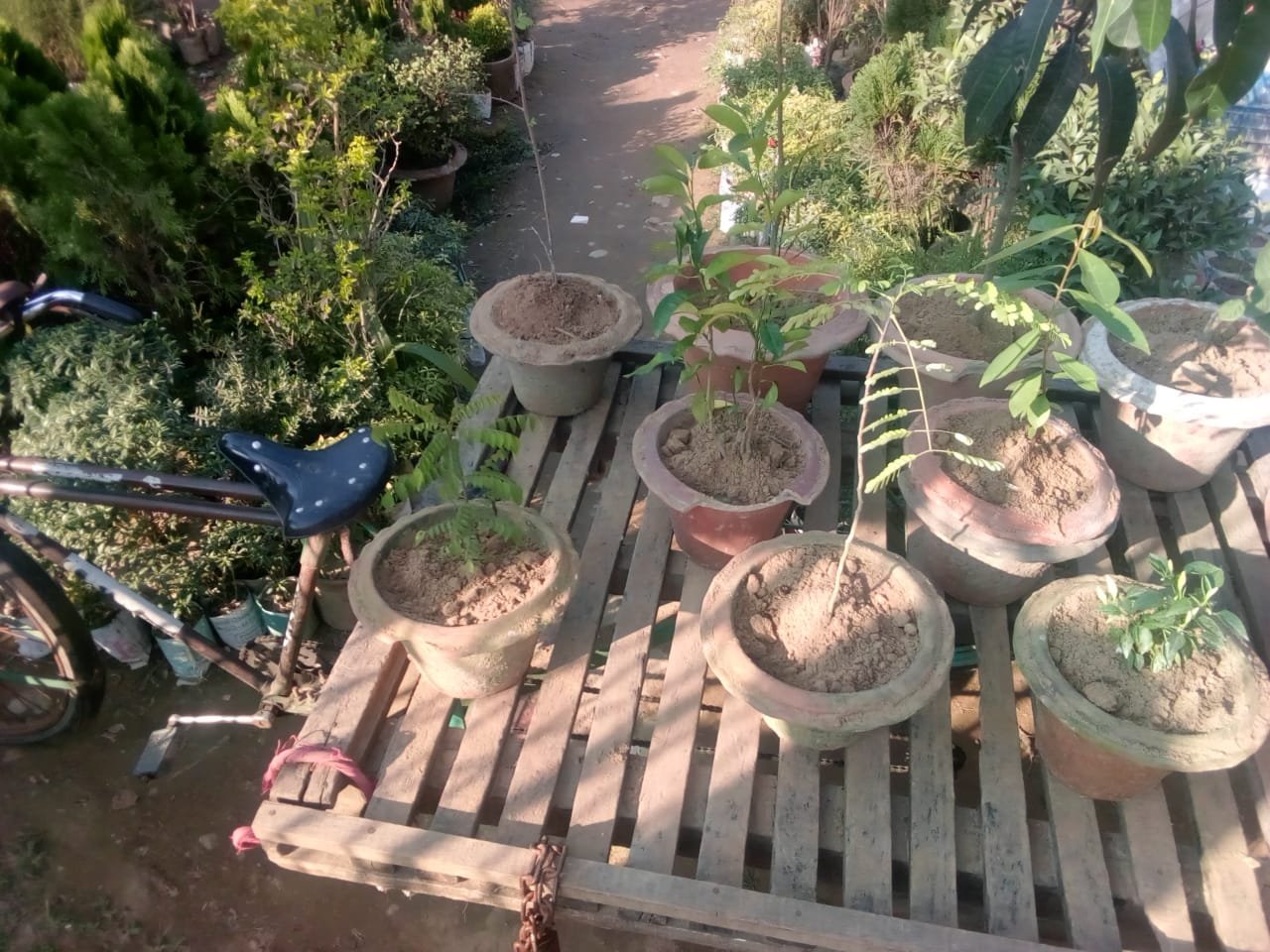
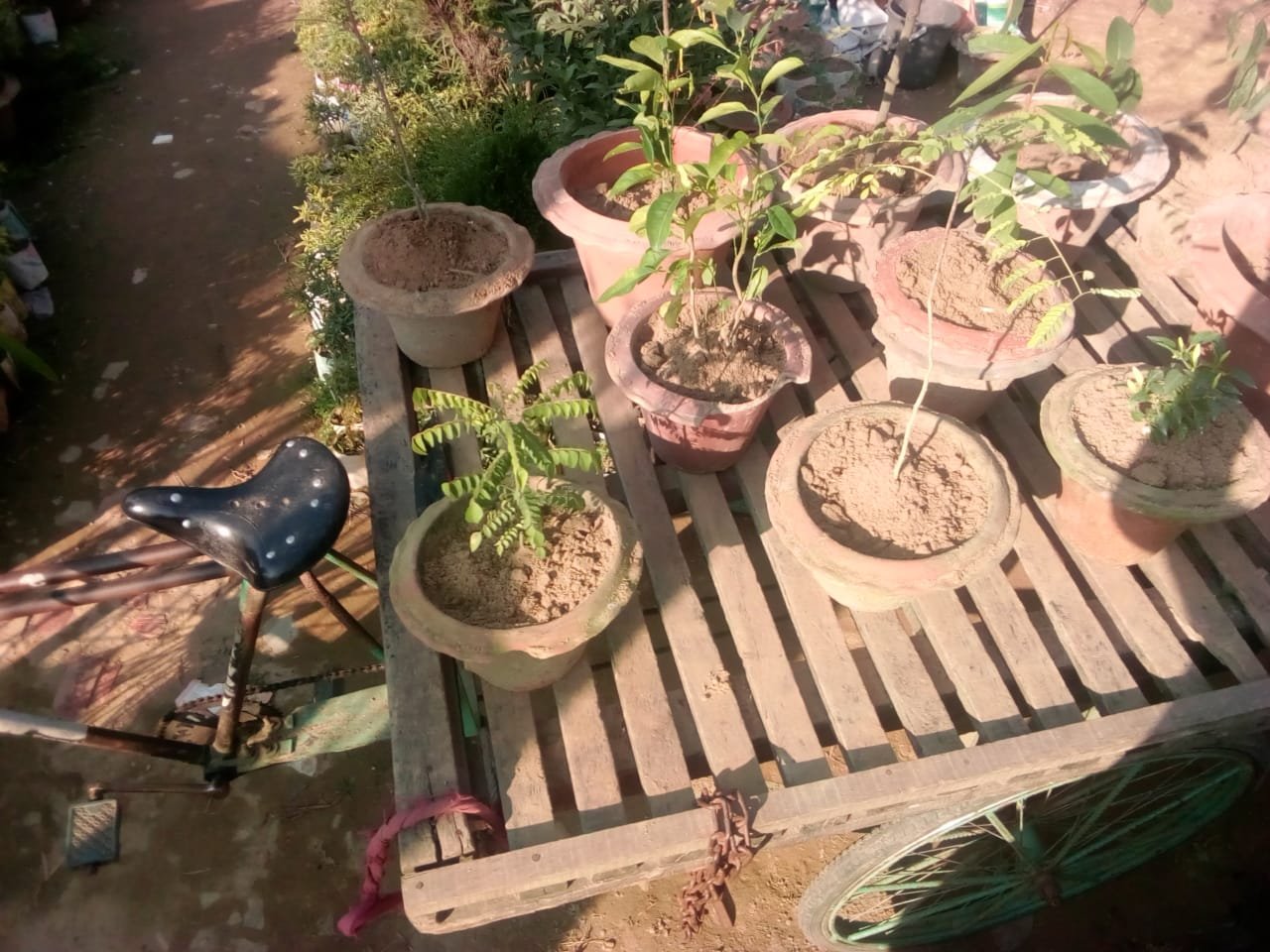
A compact growing bed is secured to a mobile base. The goal is a practical structure that can hold soil and crops while remaining possible to relocate.
Villagers choose suitable vegetables and herbs, then plant, water, and care for them close to home. Crop choices can respond to local diets and growing conditions.
The garden can supplement a family's food supply while building knowledge that can be shared with neighbors and used in future growing cycles.
When flooding or another emergency is predicted, the mobile bed can be moved toward safer ground instead of leaving the entire food source behind.
Each garden provides feedback about materials, crops, mobility, and maintenance so the model can evolve with participating communities.
A conventional garden is tied to one piece of land. A mobile growing bed gives a household a better chance to protect living crops when displacement is foreseeable. It complements—not replaces—safe water, disaster planning, healthcare, and broader food-security programs.
From an idea to the field
The initiative grew from research into the effects of climate change in Bangladesh and collaboration with Leaders of Today Northwest. The goal is a solution grounded in how villagers actually live, grow, and respond to disaster.
“Villagers grow mobile farms, and when disaster is predicted, they can take their business and food source with them.”Help the idea grow →
Community in action
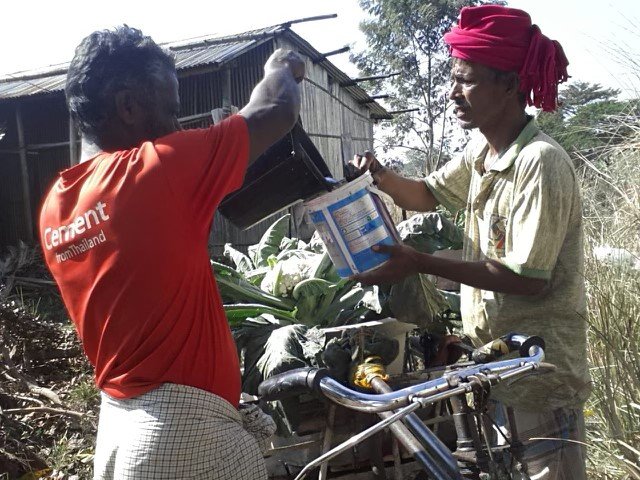
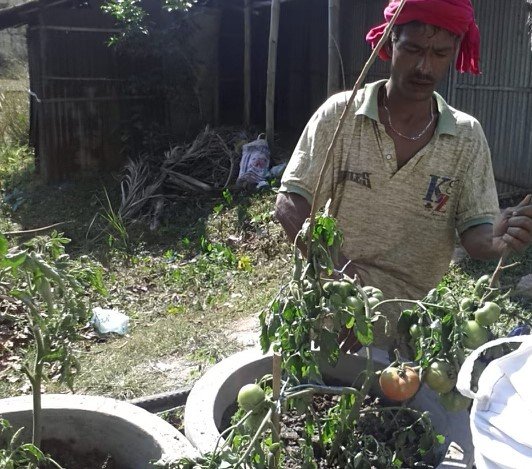
Real photographs from the Garden on Wheels initiative in Bangladesh.
Be part of the next chapter
Contribute your time, skills, connections, or support to Garden on Wheels.
Join the initiative →